
Plantar Fasciitis Treatment in Yonkers
That sharp heel pain on your first steps in the morning, the ache after you’ve been sitting, the “why does my foot hate me?” feeling after a long day, often points to plantar fasciitis. This common condition can make walking the dog, getting through a work shift, or squeezing in a workout feel way harder than it should.
At Hudson Valley Chiropractic and Nutrition Office in Yonkers, we help people reduce heel pain by addressing what’s driving the strain, not just trying to quiet the symptoms. This condition rarely exists in isolation. It’s often connected to how your foot, ankle, and lower body move together (or don’t), and when that chain is off, your heel tends to pay for it.
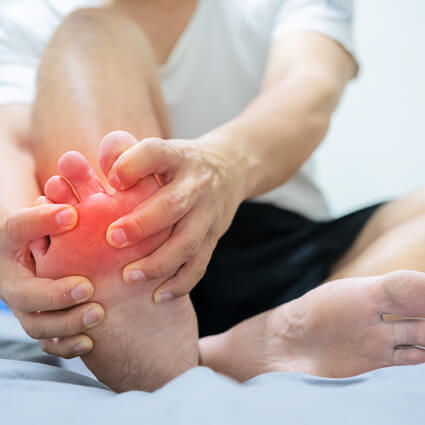
What Plantar Fasciitis Really Is
Plantar fasciitis occurs when the plantar fascia, a thick band of connective tissue along the bottom of your foot, becomes irritated. Its job is to support your arch and absorb shock with every step. When it’s overloaded, tiny microtears may develop, leading to ongoing irritation and lingering pain.
Many people think it’s “just a foot problem,” but mechanics at higher levels often play a role, too. Limited ankle motion, tight calves, and changes in stride can increase pulling on the fascia. Even hip and knee alignment may affect where force is distributed when you walk.
Common Signs Your Heel Pain May Be Plantar Fasciitis
Symptoms can vary, but a few patterns show up again and again:
- Sharp heel pain, especially with the first steps in the morning
- Discomfort after long periods of sitting, then standing up
- Increased pain after prolonged standing or walking
- Tight calves or Achilles tension
- Tenderness along the bottom of the foot near the heel
If your heel pain persists, or improves briefly and then returns, it’s usually a sign that something deeper needs attention.
What Causes It in the First Place
There isn’t one single cause. It’s usually a combination of stress plus movement patterns over time. Tight calves and limited ankle mobility can change how your heel lifts during walking, increasing strain on the plantar fascia. Foot shape may contribute too. Both flat feet and high arches can shift pressure in ways that overload the fascia. Overpronation, when the foot rolls inward excessively, can stretch the plantar fascia repeatedly with every step.
A sudden change in activity can trigger symptoms quickly, such as starting a new workout, increasing walking mileage, or working longer shifts on your feet. And weakness matters. If your foot, glutes, or core aren’t doing their share, the foot often becomes the “shock absorber,” and the plantar fascia ends up overworked.
Why It Doesn’t Always Go Away on Its Own
Some mild cases improve with time. Many don’t, especially if the mechanics that caused the overload never change. The irritation may subside temporarily, but the same strain repeats all day from walking and standing. That’s why plantar fasciitis can become chronic, even for people who are doing “all the right things” like stretching or changing shoes.
Chiropractic Care for Plantar Fasciitis in Yonkers
If foot or ankle joints aren’t moving well, the plantar fascia may take on extra tension. Gentle joint work may help restore motion and reduce strain. We also address soft-tissue restrictions in the plantar fascia and tight areas in the calf and lower leg, which can increase pulling forces.
We also monitor gait and posture patterns. If you’re limping, shifting your weight, or walking unevenly, even subtly, your body can keep feeding stress into the heel. Small changes here can make a big difference over time.
Nutrition and Inflammation Factors That Affect Recovery
When irritation lingers, healing may feel slow. Nutrition and lifestyle factors can influence recovery, especially for active adults or anyone dealing with recurring symptoms.
We may review hydration habits, nutrient intake that supports tissue repair, and overall inflammatory load. The goal is not perfection; it’s making sure your body has what it needs to recover while we address the mechanical drivers.
Simple At-Home Steps While You’re Working on the Root Cause
You don’t have to do everything at once. A few practical changes may help reduce irritation right away:
- Avoid walking barefoot on hard floors; use supportive shoes indoors
- Ice the heel after activity
- Gently roll the arch with a frozen water bottle
- Stretch calves daily without forcing them
- Scale back high-impact workouts until symptoms settle
If pain keeps returning, take it as useful information. It usually means you need a more targeted plan.
When It’s Time to Get Heel Pain Evaluated
Consider getting help if pain lasts 7-10 days or longer, then call the office so we can help, or if symptoms worsen with standing or walking, you’re compensating or limping, pain returns quickly after rest, or you’ve tried inserts, stretching, or new shoes without a meaningful change.
The condition often responds well when addressed early with the right strategy.
Ready to Walk Without Wincing?
You don’t have to accept heel pain as “normal,” and you don’t have to keep cycling through temporary fixes. With a plan that addresses movement mechanics and recovery factors, plantar fasciitis can improve, helping you return to daily life with less irritation and greater confidence in your next step.
Contact us today or request an appointment online to get started.
Frequently Asked Questions
How long does plantar fasciitis take to heal?
Should I rest or keep walking?
Do I need orthotics for plantar fasciitis?
Can chiropractic care help with my heel pain?
